-1.jpg)
-1-300x300.jpg)
Description
Phytase Quick Details :
Chemical name: Phytase
CAS: 37288-11-2
Phytase Specification :
Item
Specifications
Results
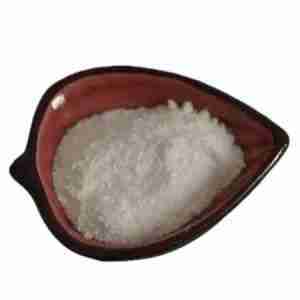
Appearance
White to light yellow granular
Conform
Activity
≥5000 U/g
6100U/g
Fluidity
Good
Good
Granularity
All pass the 1mm analysis sieve, no more than 10% on
analysis sieve of 0.59mm
All pass through 0.59mm analysis
sieve
Moisture
≤10%
5.89%
Arsenic (As)
≤3.0mg/kg
Non-detected
Plumbum (Pb)
≤ 10.0mg/kg
Non-detected
Cadmium (Cd)
≤0.5mg/kg
Non-detected
Salmonella
None/25g
Non-detected
Aflatoxin B1
≤10.0ug/kg
Non-detected
Coliforms
≤3000/100g
Non-detected
Conclusion
The results conforms with Enterprise standards
Phytase description and usage :
Phytic acid is the main storage form of phosphorus in grains, pods and oil seeds. Phytic acid has many physiological functions, and affects the function and nutritional properties of grains, pods and oil seeds (food and feed derivatives) through the formation of protein and mineral compounds. Phytic acid is also known as phytate. Strictly speaking, phytate is a mixture of K, Mg and Ca salts of phytic acid, a chelate of grains, pods and oil seeds. Phytase is a generic name for a class of enzymes that catalyze the hydrolysis of phytic acid and its salts to inositol and phosphate (salt), and belongs to the phosphomonoester hydrolase. Phytase has a special spatial structure, which can sequentially separate phosphorus in phytic acid molecules, degrade phytic acid (salt) into inositol and inorganic phosphorus, and release other nutrients combined with phytic acid (salt). The addition of phytase to animal feed increases the utilization of phosphorus in cereals and makes up for the lack of phosphorus in animal feed. HHPhy is an enzyme preparation fermented from a high-yield strain of phytase. Widely used in poultry and pig feed.
Phytase Package and Storage:
25kg/bag. Or as per client’s requirements.
Store in a cool, dry place, away from direct sunlight. HHPhy contains a lot of active substances, and its activity can be maintained for a long period of time when stored at low temperature (below 25°C, but cannot be frozen).